
Empower 21st-century learners with structured AI-Robotics programs trusted by 7.2M+ global users — now available for schools, institutions, and LGUs in the Philippines.
Walnut Education — founded in 2017 and trusted by over 7.2 million learners worldwide — partners with SEELS to bring high-quality, structured coding and robotics programs to the Philippines. Designed for schools, institutions, and LGUs, this SDG-aligned bootcamp strengthens STEM outcomes, critical thinking, and future workforce readiness through hands-on learning and community-focused innovation.
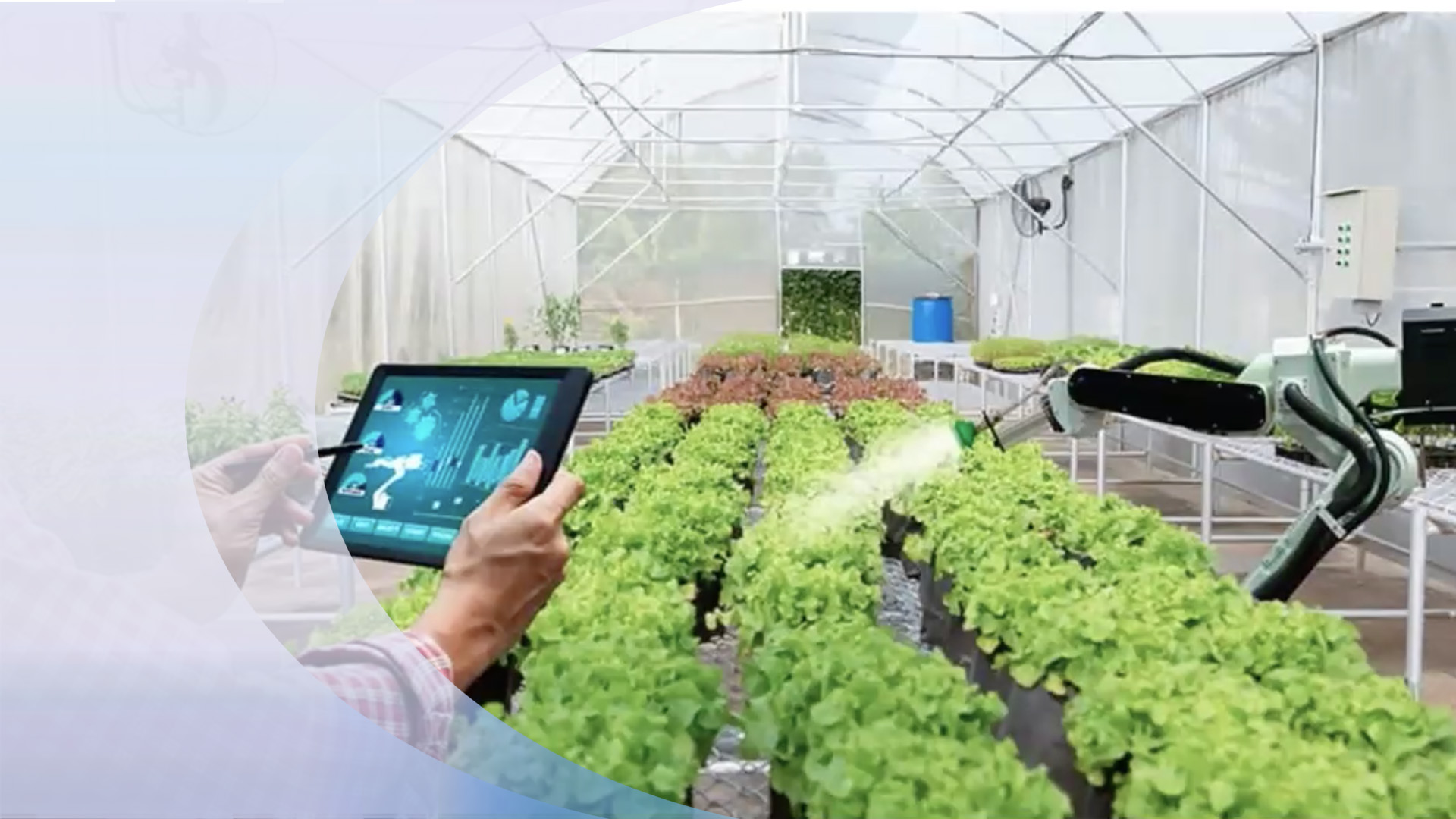
In the SEELS & Walnut Education AI-Robotics Bootcamp, student teams identify a real community challenge within a Smart Farm theme and build foundational coding skills through structured Walnut Alpha Pi Zero lessons. They then apply these skills to develop a working prototype and present a demo that solves their chosen challenge — reinforcing logical thinking, teamwork, and practical problem-solving in a real-world context.
Overview
This is a workshop-style AI-Robotics bootcamp where student teams identify a real community challenge (focused on a Smart Farm theme), build coding logic through structured Walnut Alpha Pi Zero lessons, and then apply those skills to design and build a working smart system simulation or prototype that addresses their chosen need.
What makes it different:
This is more than robotics kits and coding drills — it is SDG-aligned innovation training that strengthens critical thinking, collaboration, emotional intelligence (EQ), and purposeful problem solving through hands-on making and real-world application.
How It Works (Alpha Pi Learning Flow)

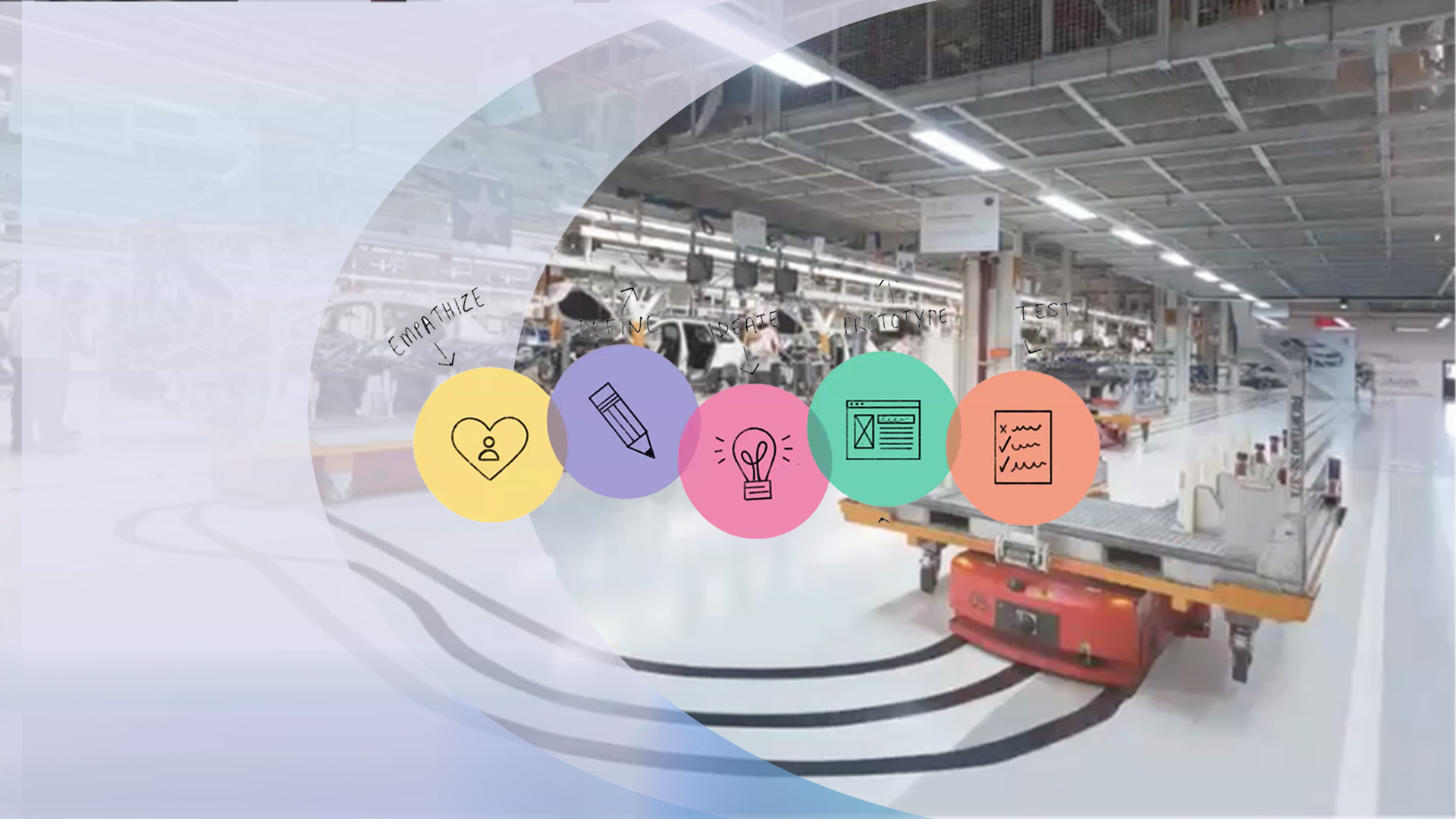
Teams identify a real-life problem under the Smart Farm theme and agree on a solution direction.
- Empathy Map
- “How Might We” (HMW)
- Value Proposition
- Project Pitch Outline
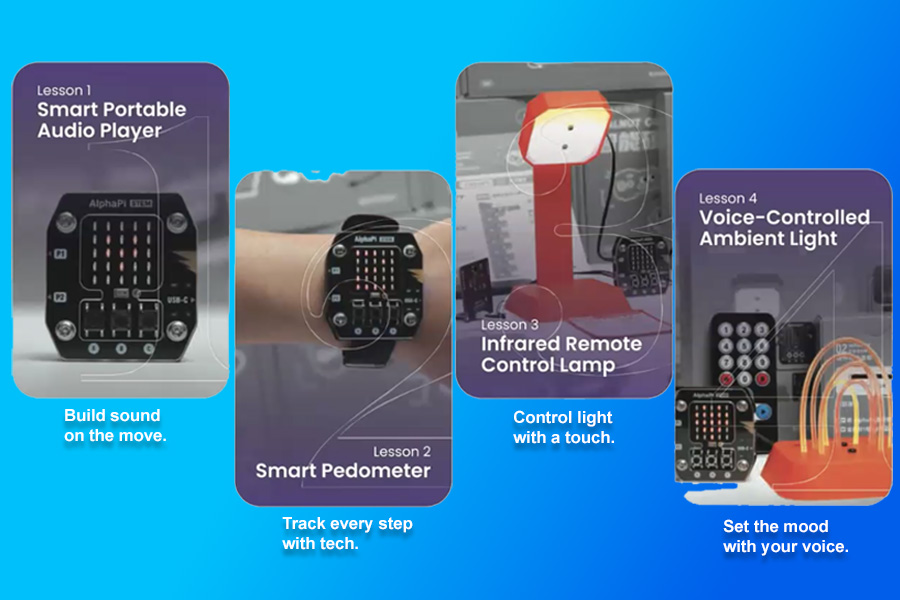
Teacher-led learning using Walnut Alpha Pi Zero “orange box” flow: Story Plot → Teaching Part → Challenge.
- Input/output logic, thresholds, alerts
- Conditions, timers, simple states
- Testing + debugging mindset
- Build examples: audio, pedometer, IR light, voice light
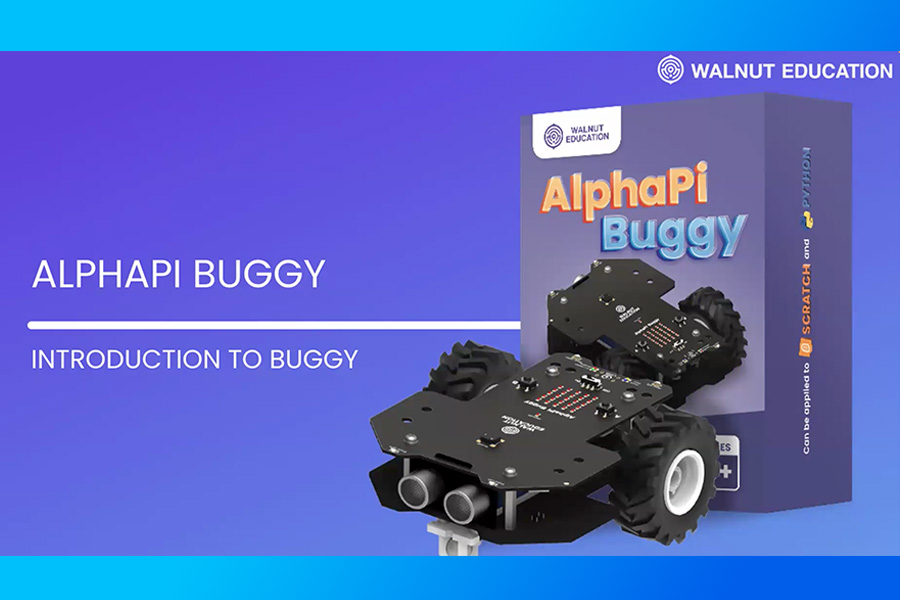
Students learn how a robotic electric vehicle (EV) operates and how a rover can support Smart Farm systems by moving around the farm for monitoring and tasks.
- EV basics: power, motion, control, safety
- Smart mobility: obstacle awareness & route logic
- Farm-use framing: “rover” for checks, reminders, delivery
- Industry link: like warehouse robots moving items (e.g., distribution hubs)

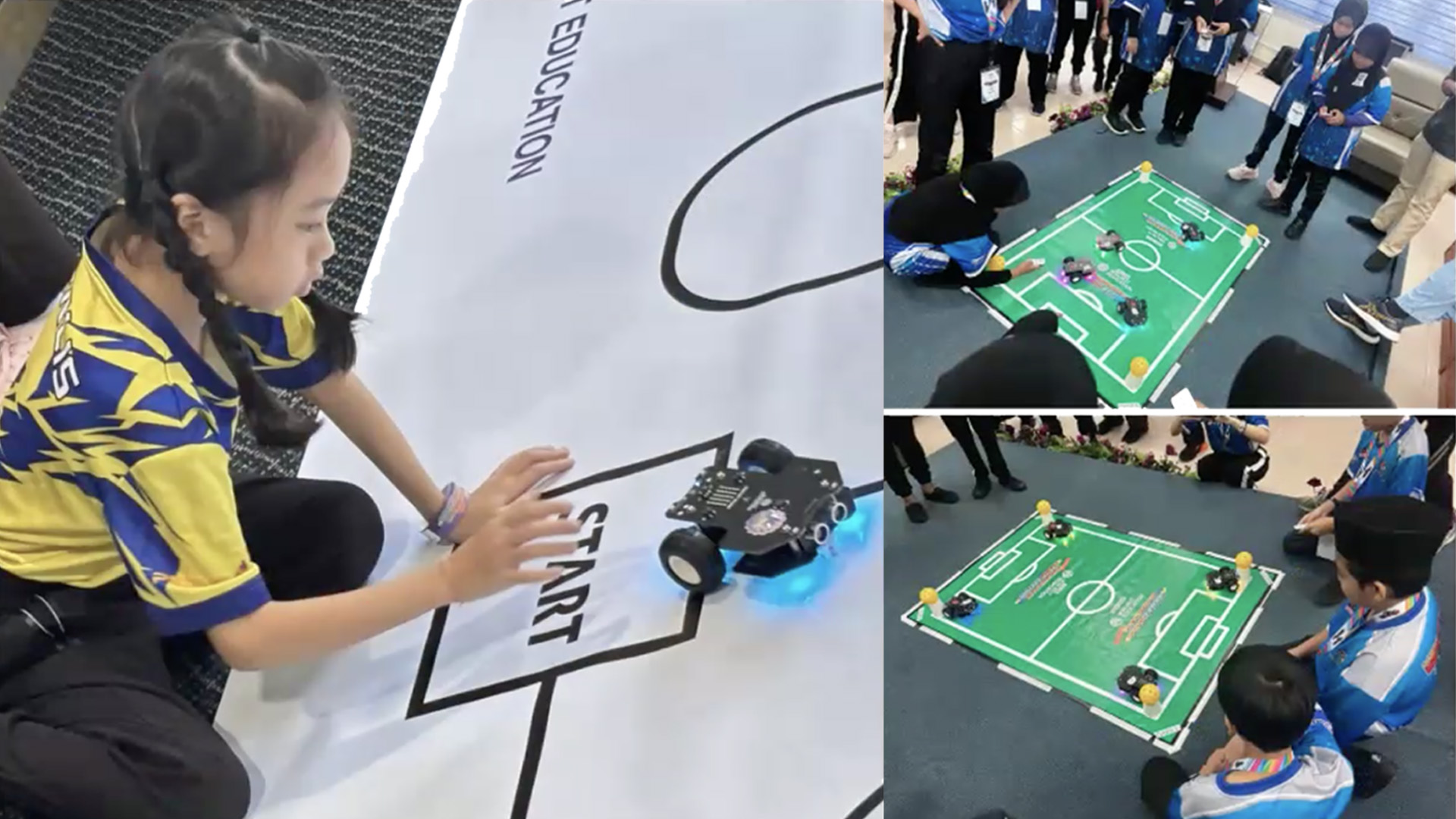
Teams return to their original Smart Farm problem and build an integrated solution. They present a demo and join a friendly competition.
- Build + apply + test + refine
- Demo Day presentation
- Gold / Silver / Bronze awards
- Optional: Buggy Mission Challenge
Smart Farm Theme (SDG Innovation Focus)
Teams choose a community problem to solve through smart system logic and prototyping:
- Smart Irrigation Simulation (logic-based watering response)
- Temperature Alert Simulation (threshold warning and response)
- Automatic Lighting Logic (energy-aware lighting rules)
- Farm Intrusion Warning System (event trigger + alert response)
- Harvest Time Reminder System (timer/schedule + notifications)
Who This Program Is For

Parents & Students
Student Experience
- Collaborate in teams to identify a real community challenge (Smart Farm theme).
- Learn core coding logic through structured lessons and maker activities.
- Build a smart system simulation or prototype with meaningful real-world context.
- Present solutions at a Demo Day and celebrate achievement with peers.
Student Outcomes
- Critical thinking and logical problem solving.
- Hands-on experience with AI and robotics technologies.
- Team collaboration and communication skills.
- Confidence in technology and community impact awareness.
- Foundational readiness for future STEM pathways.

Schools & Institutions
Academic Strengthening
- Aligns with STEM, robotics, ICT, and project-based curriculum goals.
- Reinforces critical thinking, research mindset, and design thinking.
- Supports future-ready outcomes through applied, standards-aligned frameworks.
What Schools Receive
- Bootcamp facilitation plan & structured session flow.
- Student worksheets and project templates for guided learning.
- Rubrics and assessment tools aligned to outcomes.
- Documentation templates for capturing student learning evidence.
- Post-training professional support and optional teacher skill enhancement.

LGUs & Partners
LGU Collaboration Opportunities
- Co-host Smart Farm challenges and showcase community impact.
- Generate youth-driven prototypes and innovation outputs aligned to local needs.
- Create sustainable pathways for ongoing youth engagement.
Benefits for LGUs
- Strengthens local digital talent and future skill pipelines.
- Supports youth empowerment and civic tech engagement.
- Produces measurable impact outcomes for reporting and local development plans.
- Provides platform for community recognition and celebration of innovation.
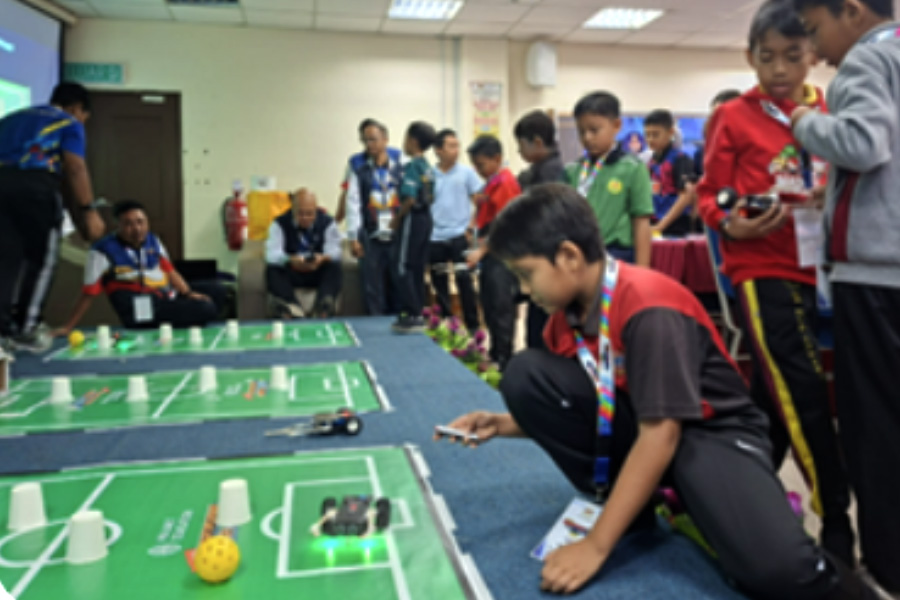
Evidence of Learning (School-Ready)
- Team project artifact: a completed simulation/prototype using Alpha Pi Zero builds and Smart Farm application logic.
- Reflection output: documented process from problem → empathy findings → design decisions → testing → improvements.
- Demo Day presentation: pitch and live demo supported by rubric scores, feedback notes, and evaluative commentary.
- Continuing pathway option: schools may extend learning through a Walnut Education PH School Club — ongoing extracurricular tech development through build sessions, SDG-themed challenges, inter-school showcases, and national and international competitions.
This evidence framework aligns with project-based and experiential learning principles where students learn by actively working on real-world challenges and reflecting on their process and outcomes. Project-based learning supports deeper conceptual understanding, critical thinking, collaboration, and practical problem solving, all of which are key 21st-century competencies for learners.
Friendly Competition & Awards
Projects are recognized using clear criteria:

- Fully functional prototype with strong logic depth
- Clear SDG/community impact explanation
- Strong teamwork and independent problem-solving
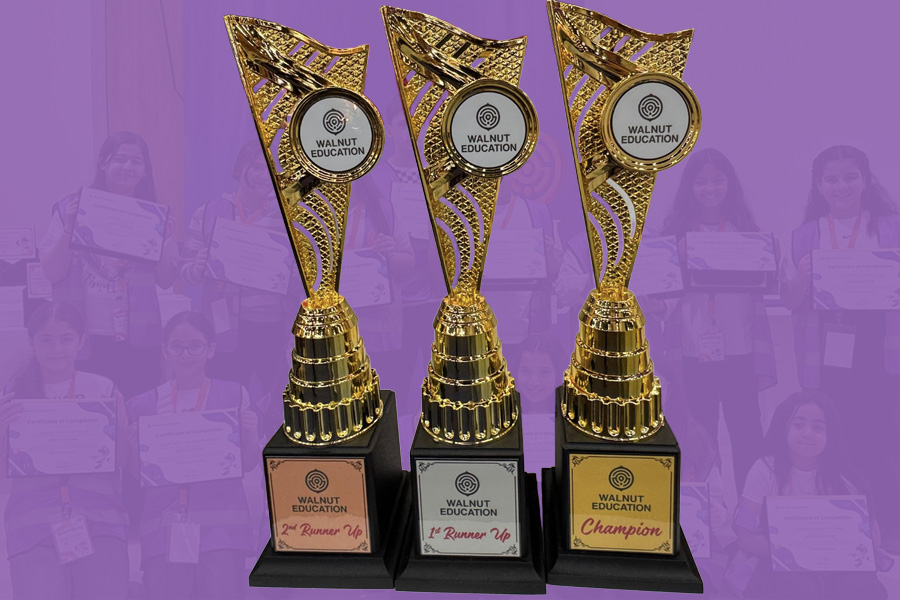
- Functional build with basic input/output features
- Clear explanation of community benefit
- Some guidance needed, but strong completion
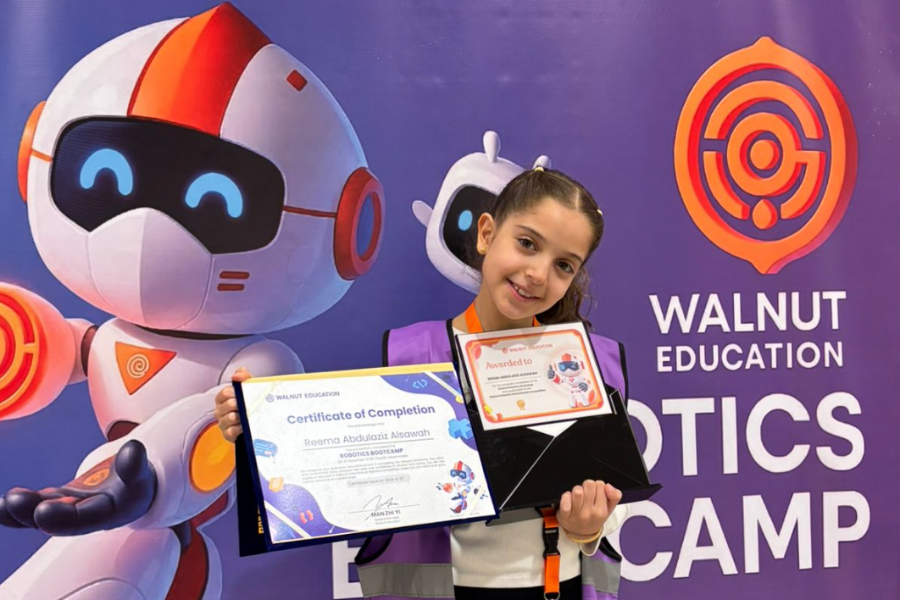
- Partial build with simpler logic
- Basic purpose explanation
- Requires more coaching to complete and present
Optional special awards: Best Teamwork • Best Community Insight (Empathy) • Best Pitch & Clarity • Most Practical Solution (LGU Choice)
Request Schedule, Fees, and Implementation Kit
Get the bootcamp options for parents, schools, and LGU-hosted cohorts — including session flow, requirements, and next steps.
We aim to respond within 3–5 working days.
If you are a school or LGU office, you may request a short briefing deck and sample MOA concept note.